

Advantage roofing & Constuction Blog
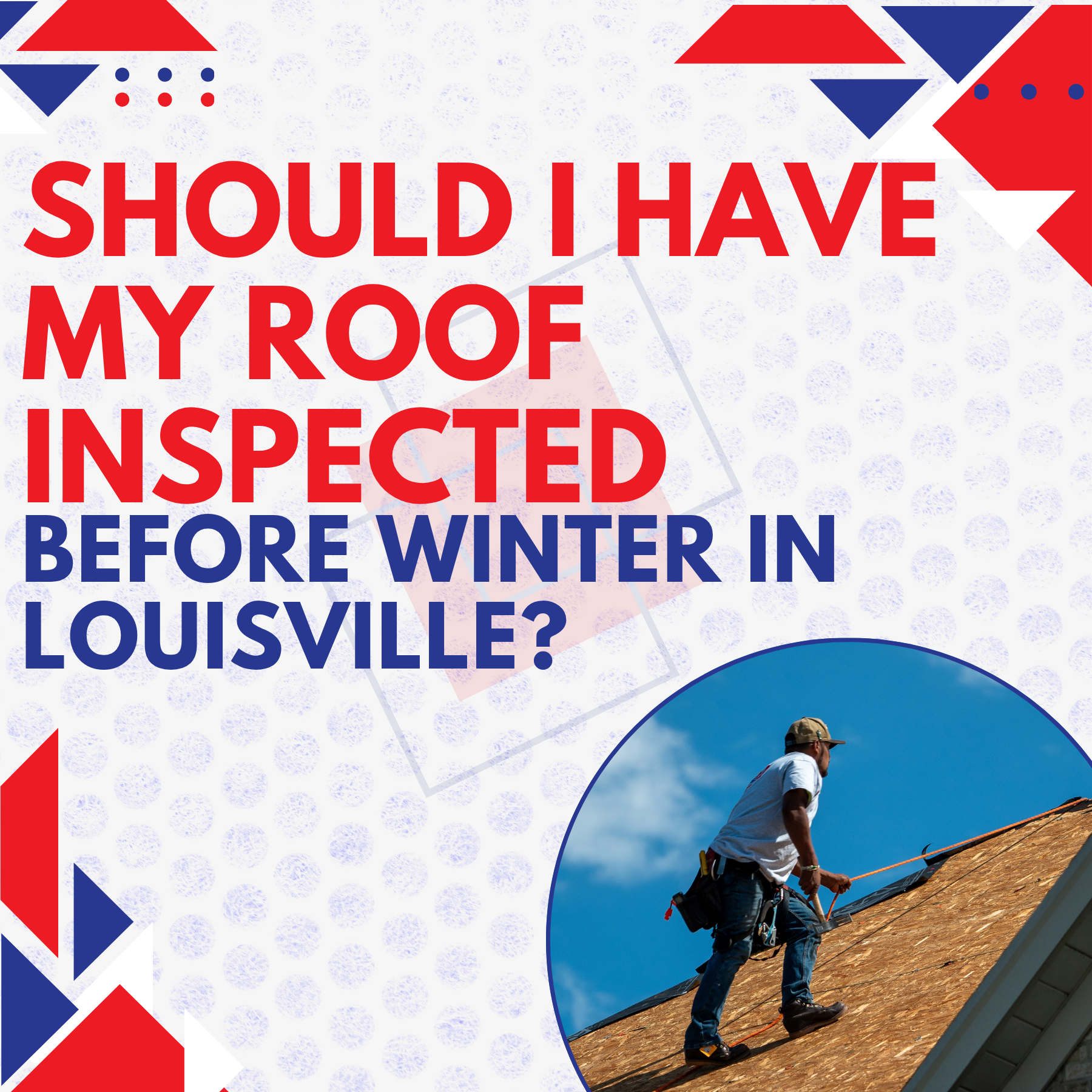
Should I Have My Roof Inspected Before Winter in Louisville?
A fall roof inspection can help Louisville homeowners catch roof damage before winter. Learn what to look for, what an inspection includes, and when repairs may be enough.

How to Choose a Roofing Contractor in Louisville or Southern Indiana
Choosing the right roofing contractor helps protect your home and budget. Learn what to look for in a local roofer, from experience and insurance to clear estimates, quality workmanship, and warning signs to avoid.

How Long Does a Roof Last in Kentucky?
Most asphalt shingle roofs in Kentucky last about 20 to 30 years. Learn what affects roof lifespan, signs of aging, and when it may be time for an inspection, repair, or replacement.
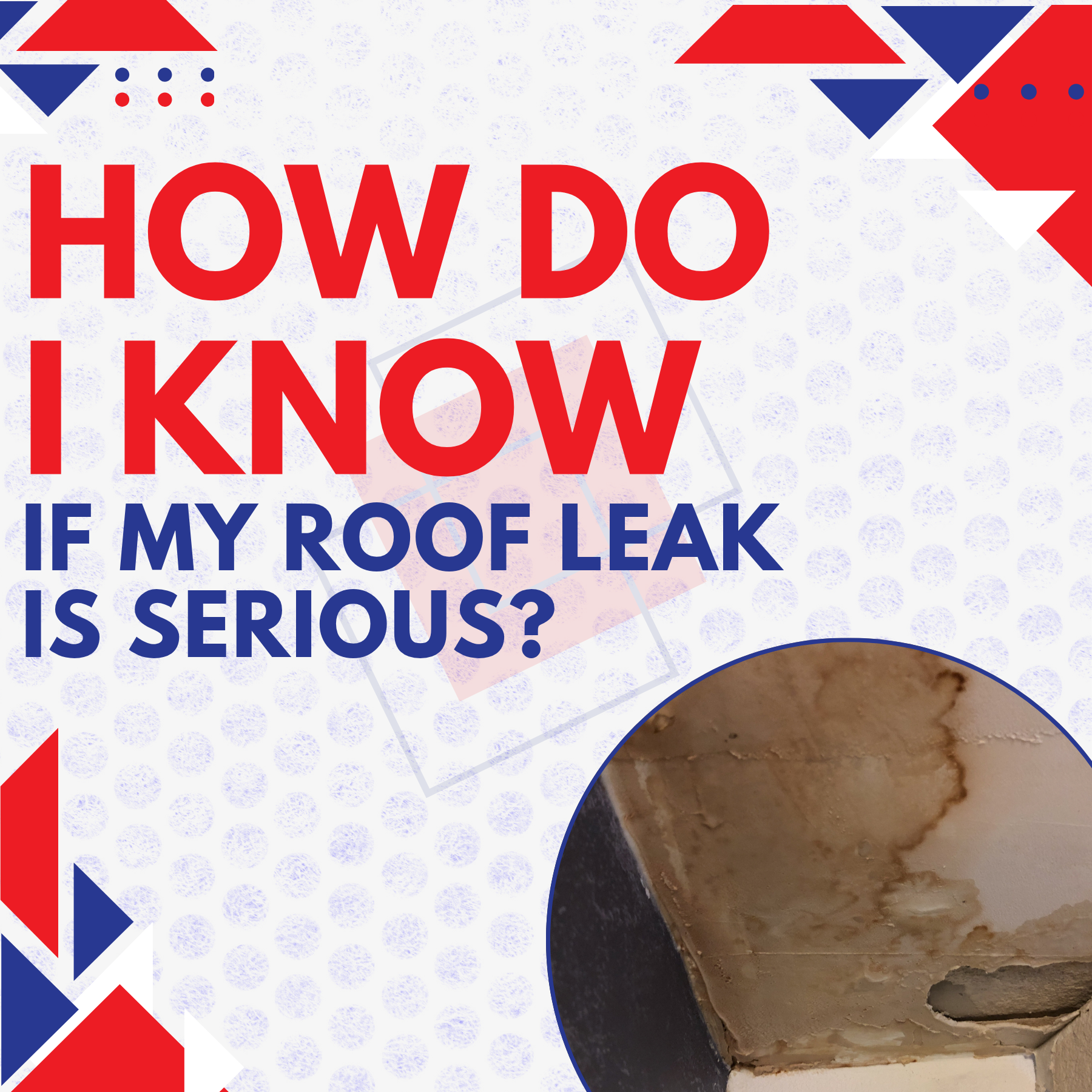
How Do I Know If My Roof Leak Is Serious?
Even a small roof leak can cause serious damage if left untreated. Learn the warning signs, common causes, and when to call a professional for roof repair in Louisville and Kentuckiana.
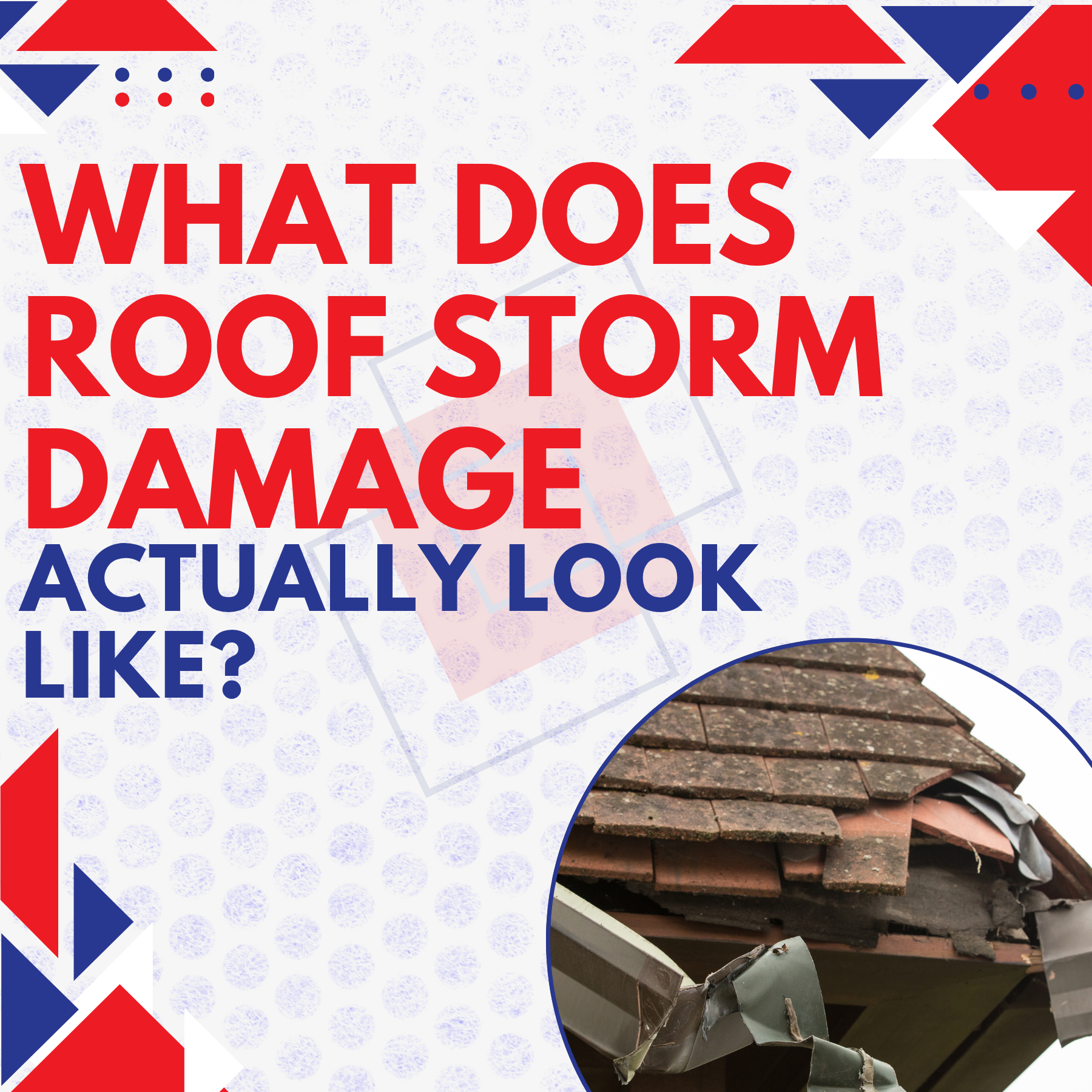
What Does Roof Storm Damage Actually Look Like?
Roof storm damage is not always easy to spot. Learn the common signs of wind, hail, and rain damage, and why a professional roof inspection can help prevent leaks and costly repairs.

Should I Call a Roofer or My Insurance Company First After Storm Damage?
After a storm, a professional roof inspection can help you understand the damage before filing an insurance claim. Learn what to look for, what steps to take, and how to avoid costly mistakes.

What Does a Roof Inspection Include?
A professional roof inspection checks more than just shingles. Learn what inspectors look for, how inspections uncover potential problems, and why finding roof damage early can help prevent costly repairs.

How Summer Heat Impacts Your Roof (And What to Watch For)
Summer heat can cause shingles to deteriorate and age faster. Learn how high temperatures and UV exposure affect your roof, the warning signs to watch for, and how to help prevent costly damage.

Summer Is the Season for Exterior Upgrades, Here’s Where to Start
Summer is a great time to tackle exterior home improvements. Learn where to start with roofing, gutters, siding, decks, and other upgrades that can protect your home and maximize your budget.

Decks, Gutters, and More: Summer Projects That Add Value to Your Home
Summer is a great time to improve your home’s exterior. Discover which roofing, siding, gutter, deck, and porch upgrades can add value, improve curb appeal, and prepare your home for colder weather.

Think Your Roof Survived the Storm? Here’s How to Be Sure
Storm damage is not always visible from the ground. Learn the signs of hidden roof damage, why professional inspections matter, and how catching problems early can help prevent costly repairs.
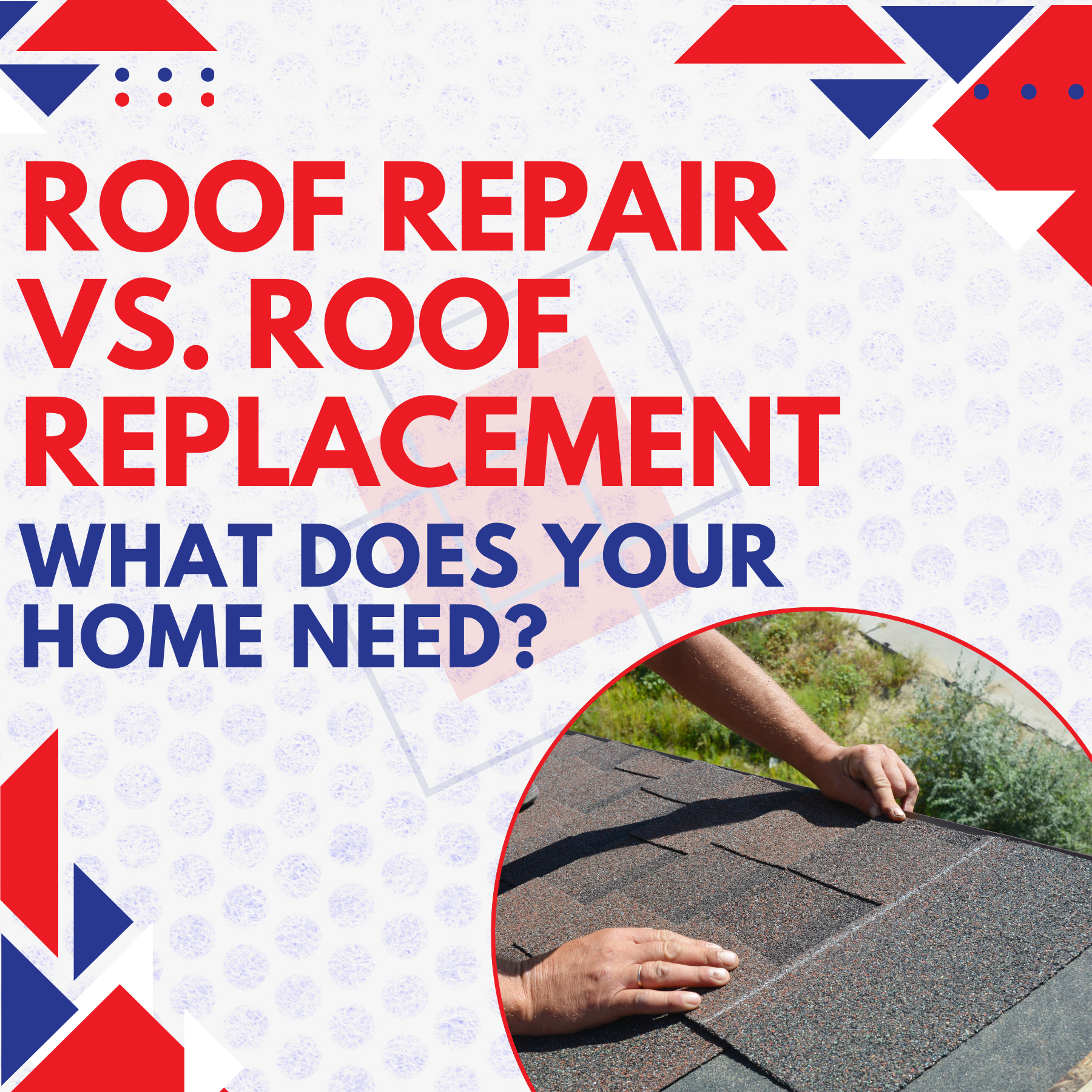
Roof Repair vs. Replacement: What Does Your Home Need?
Should you repair or replace your roof? Learn the key signs to consider, how your roof’s condition affects the decision, and why a professional inspection can help protect your home and budget.

April Showers & Roof Leaks: Why Spring Rain Exposes Hidden Damage
Winter roof damage can lead to leaks when spring rain arrives. Learn the warning signs to watch for and why a spring roof inspection can help catch problems early and prevent costly repairs.

Why Small Roof Problems Appear in Spring (Don’t Ignore Them)
Winter roof damage often becomes noticeable during spring rain. Learn the warning signs to watch for and why a spring roof inspection can help catch problems early and prevent costly repairs.

Spring Roof Checklist: What to Look for After a Kentucky Winter
Winter weather can cause hidden roof damage that becomes noticeable in spring. Use this spring roof inspection checklist to spot potential problems early and help prevent costly repairs.

How Ice Dams Form & How to Protect Your Roof This Winter
Ice dams can cause roof leaks, mold, and costly water damage. Learn how ice dams form, how proper attic insulation and ventilation can help prevent them, and what to do if one develops.
Winter Roofing Woes: How Cold Weather Impacts Your Roof
Ice dams can cause roof leaks, mold, and costly water damage. Learn how ice dams form, how proper attic insulation and ventilation can help prevent them, and what to do if one develops.

Winter Roof Inspections: Why Cold Weather Can Hide Costly Problems
Winter weather can cause hidden roof damage from ice, snow, and freezing temperatures. Learn how a professional winter roof inspection can catch problems early, prevent costly repairs, and protect your home.

Why Winter Is the Right Time to Schedule a Roof Inspection
Winter is a great time to inspect your roof for hidden damage. Learn how a winter roof inspection can uncover leaks and other issues early, helping prevent costly repairs before spring.

Home Renovation Resolutions: Start Your 2026 Projects with a Plan
Planning your 2026 roof replacement early can help you avoid the busy spring season, explore your options, and address aging or damaged roofing before problems worsen. Learn why winter is a smart time to start planning.